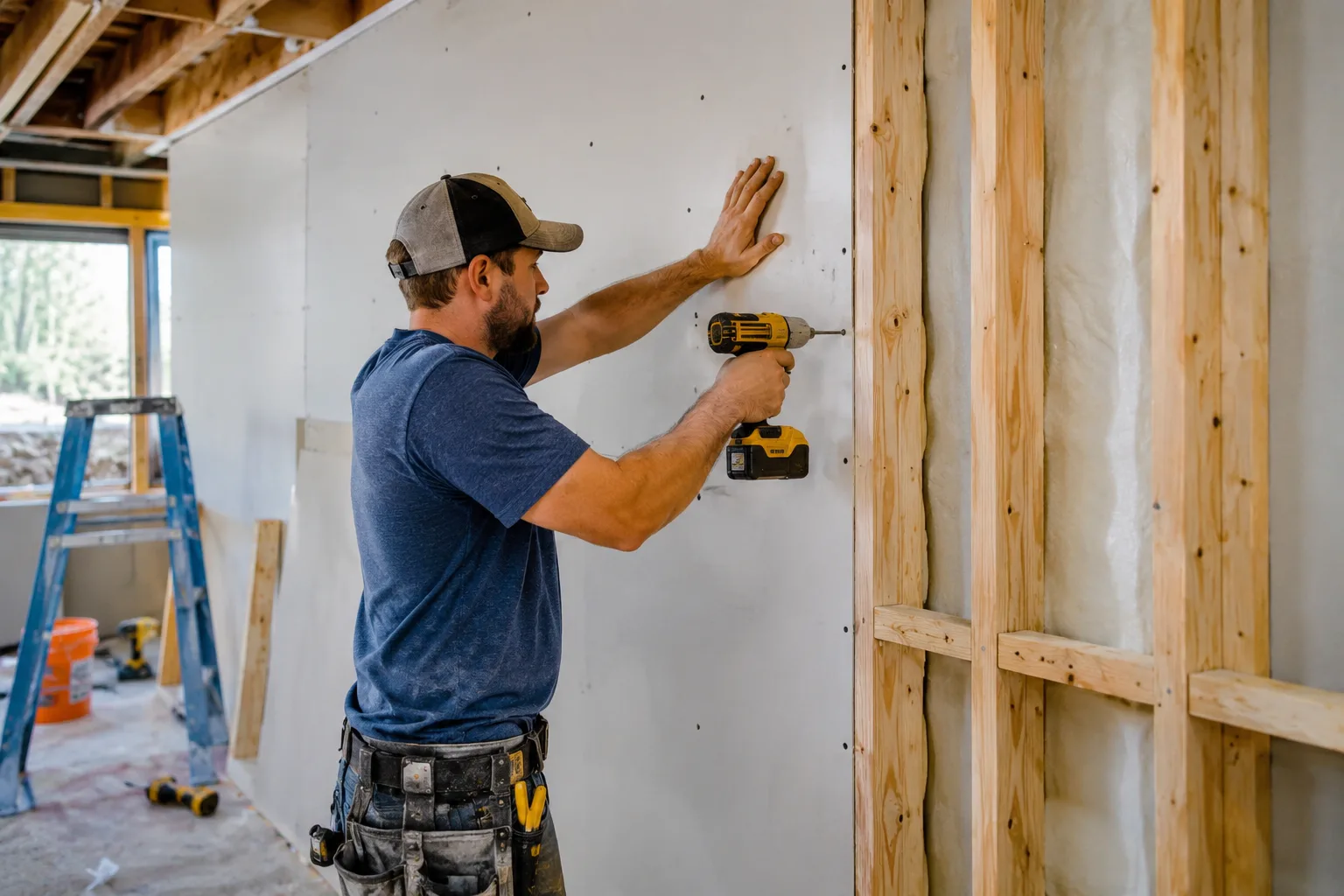
Last Updated: November 2026
Quick Answer: No. Most small drywall repairs in Vallejo, CA, such as patching holes, filling cracks and fixing nail pops, do not need a permit because they count as cosmetic finish work. A permit becomes likely when the job involves rebuilding walls, repairing fire-rated assemblies, or opening walls that hide plumbing, electrical or framing problems. If your project is more than a patch, call the City of Vallejo's building division before you start.
Picture a Vallejo homeowner with a fist-sized hole in the hallway wall. A neighbor says a permit is required. A contractor says it isn't. An online forum says "it depends."
That confusion is common, and it costs people time and sometimes money. Pulling a permit you don't need wastes a week. Skipping one you do need can cause trouble when you sell the house or file an insurance claim.
This guide sorts it out. It covers the five most common drywall repair scenarios for Vallejo homes, starting with the most common, and gives the permit answer for each. You'll also find a comparison table, notes on California contractor licensing, and answers to eight frequently asked questions.
A note on where this comes from: it was written by Vallejo Drywall Pros, a local drywall repair business, and it is general information, not legal advice. The City of Vallejo has the final word on its own permit rules.
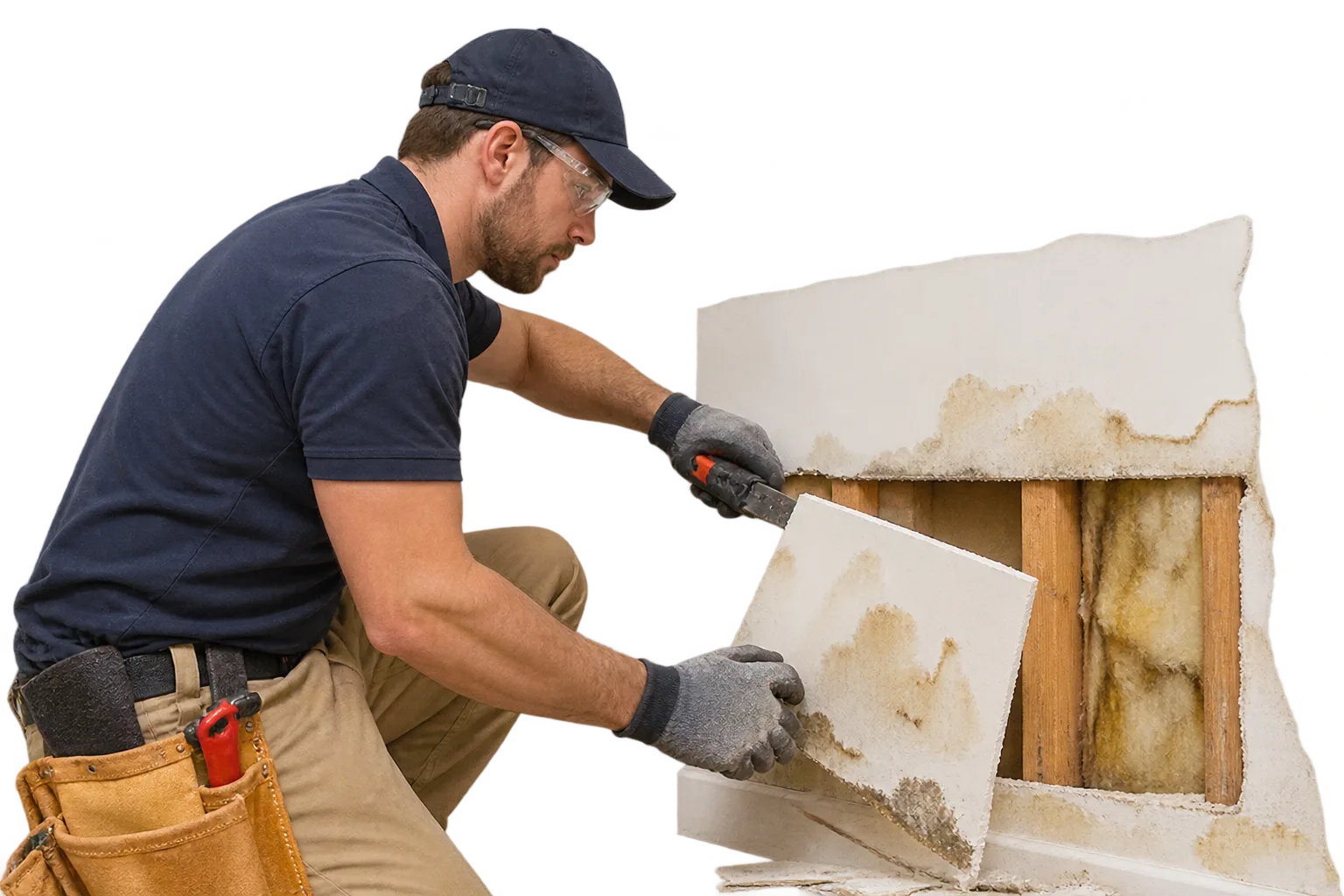
Why Vallejo Homeowners Get Confused About Drywall Permits (and What's at Stake)
Drywall repair sits in a gray zone because the same material is used for very different jobs. Patching a doorknob dent and rebuilding a fire-rated garage wall both involve gypsum board. The permit rules for the two are not close.
Vallejo adds its own wrinkles. Many homes here were built in the decades after World War II, when Mare Island Naval Shipyard drew families to town, and older neighborhoods such as Vallejo Heights go back further still. Homes of that age can have plaster-and-lath walls, old texture coatings, original wiring behind the drywall, and past DIY repairs that were never documented.
Here is what's at stake when permit questions get guessed at:
- Resale problems. Unpermitted work can surface during a buyer's inspection or disclosure process.
- Insurance friction. An insurer may ask for documentation on repairs after a water or fire claim.
- Safety gaps. Fire-rated walls that aren't restored correctly don't do their job.
- Rework costs. Inspectors can require finished walls to be opened again.
Know which category your repair falls into before the first piece of drywall comes off.
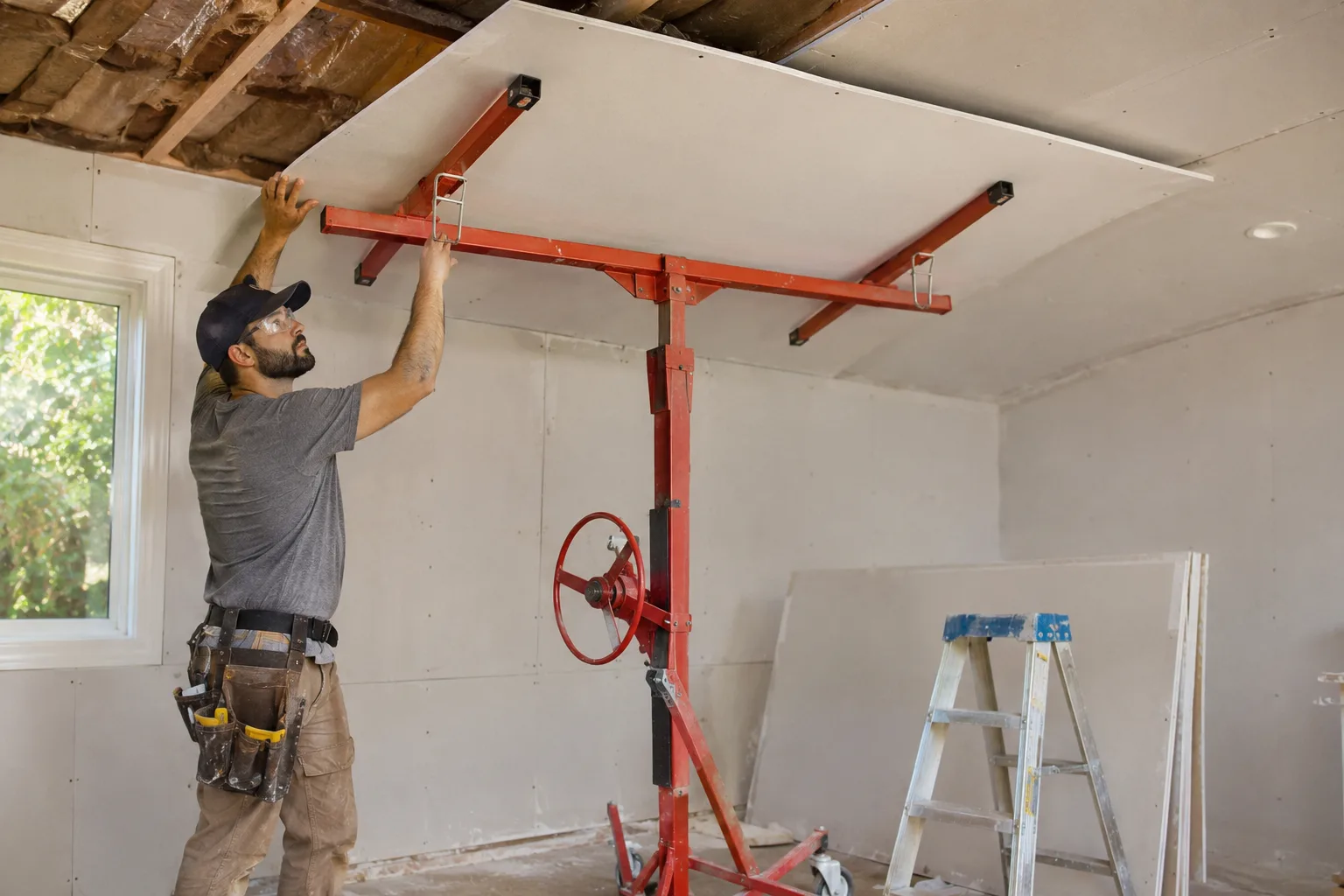
Quick Answer: Do You Need a Permit for Drywall Repair in Vallejo, CA?
In most cases, no. California's residential building code generally exempts finish work, and routine patching and refinishing fall into that category.
Use this rule of thumb:
- Probably no permit: patching holes, taping cracks, fixing nail pops, repairing dings, retexturing a section, repainting.
- Possibly a permit: water damage repair that opens walls, large-scale ceiling or texture removal, replacing drywall across multiple rooms.
- Likely a permit: new walls, additions, garage conversions, and any repair to a fire-rated wall or ceiling that changes the assembly.
Two other rules apply whether or not you need a permit. California requires a contractor license for jobs where labor and materials total $1,000 or more, and homes built before 1978 raise lead paint concerns. Both are covered below.
#1 Minor Drywall Repairs (Holes, Cracks, Nail Pops): Usually No Permit
Permit answer: typically not required. This is the scenario most Vallejo homeowners are asking about, and it's the easiest one. Cosmetic repairs that restore the wall surface don't trigger a permit under California's standard residential code exemptions for finish work.
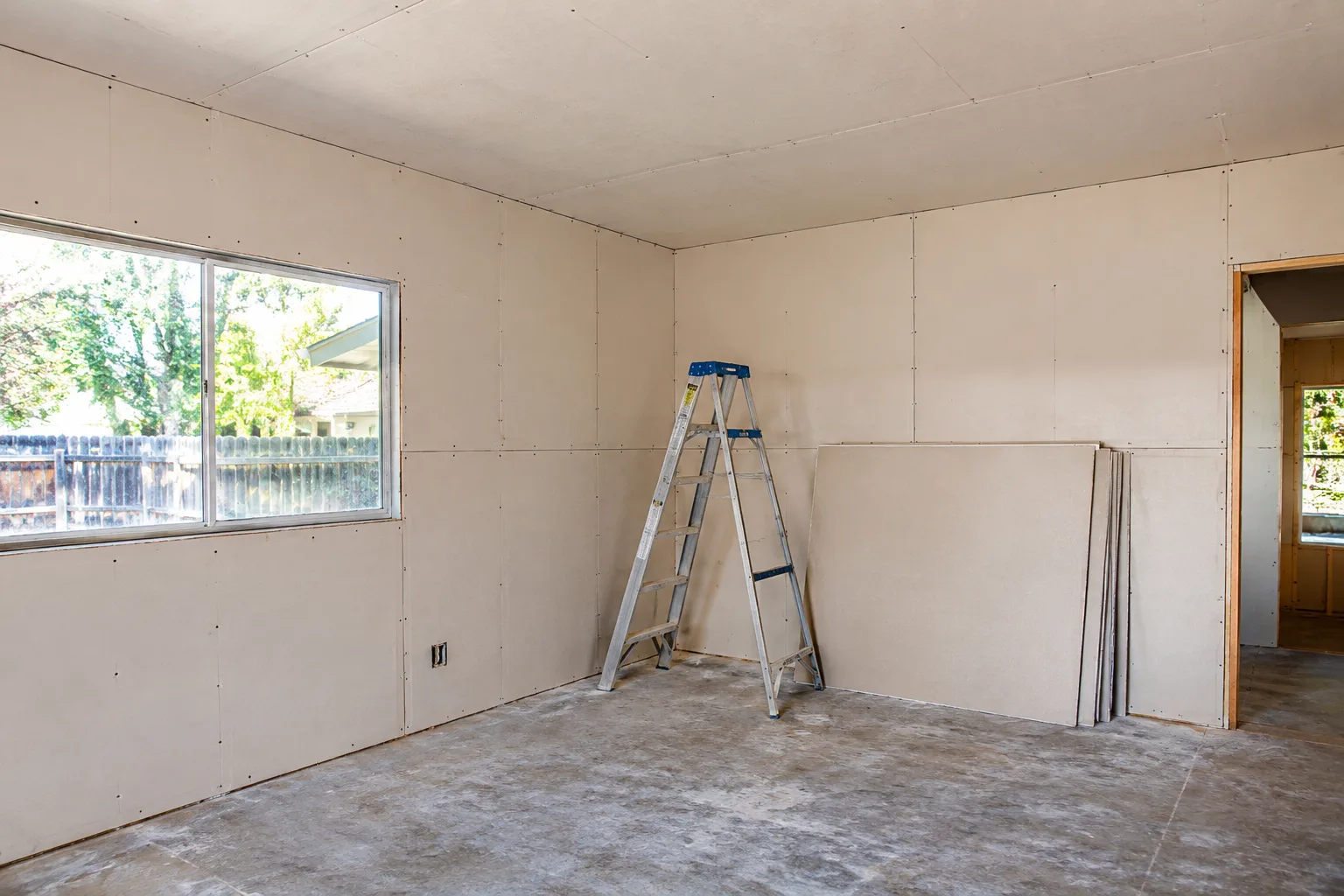
Minor repair covers a wide range of everyday damage. Think doorknob holes, anchor holes from old shelving, settling cracks above door frames, popped fasteners, and dents from furniture moves. The work happens on the surface and doesn't alter the structure, wiring, plumbing or fire protection of the home.
Key Points
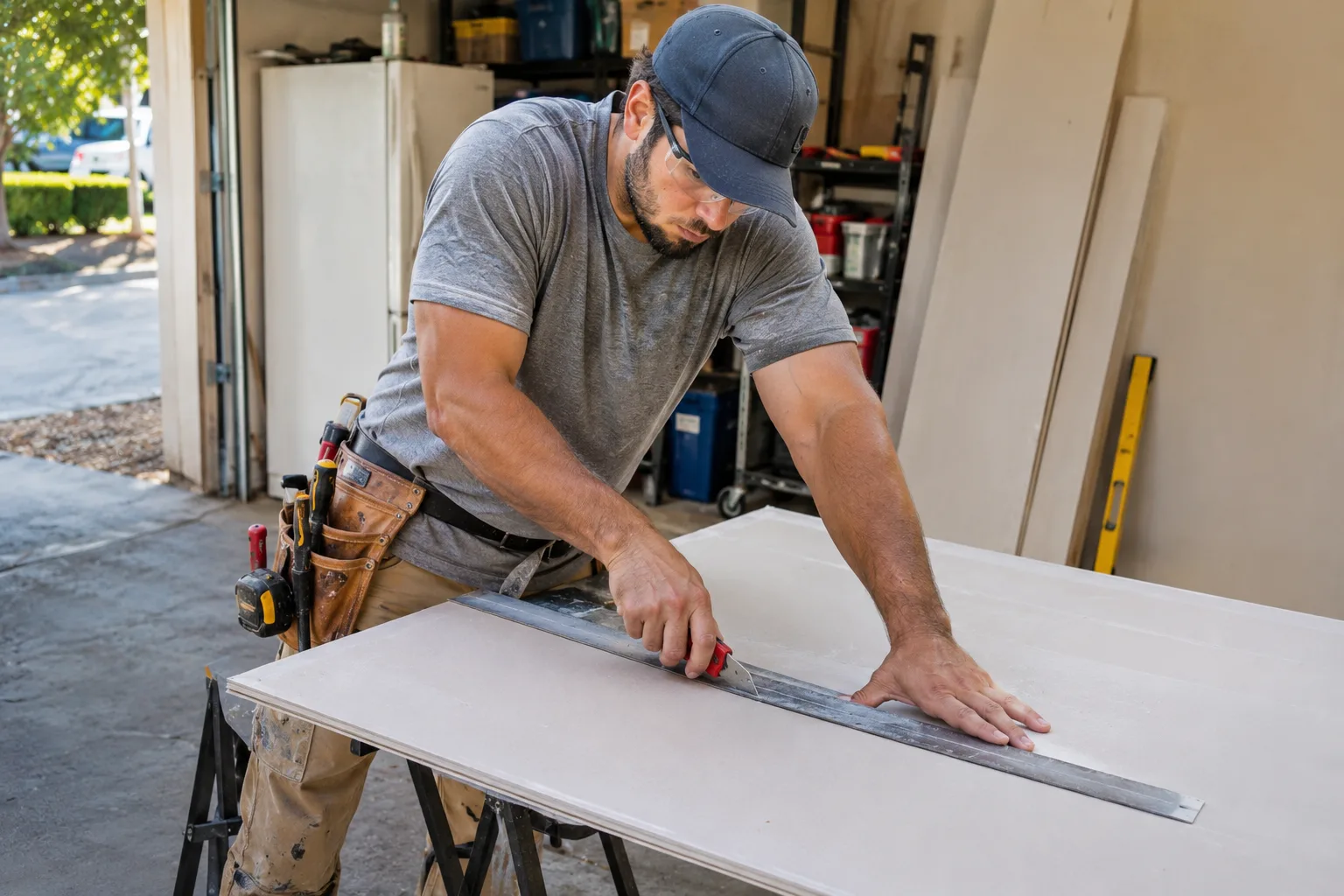
- Patches up to roughly the size of a dinner plate are normally handled with a backing piece, joint compound and sanding.
- Larger openings, such as a section cut out for an access panel, are repaired by fitting a new piece of drywall and taping the seams.
- Cracks above doors and windows often return if they are only filled, so the repair should include taping the joint.
- Nail pops usually come from lumber drying and shifting. The fix is to re-secure the board with screws and refinish.
- Matching the existing texture takes as much skill as the patch itself.
- If the home was built before 1978, the paint may contain lead, which changes how dust must be handled (see the FAQ).
Pros
- No permit fees or inspection scheduling.
- Often finished in a day or two, plus drying time between coats.
- Little disruption to the rest of the home.
- Easy to bundle several small repairs into one visit.
Cons
- Cracks that keep reappearing may point to a foundation, framing or moisture issue that a patch won't fix.
- Poorly matched texture or paint can leave a repair more visible than the original damage.
Best For
Homeowners and landlords in Vallejo dealing with isolated holes, hairline or settling cracks, nail pops and dents, where the wall behind the damage is dry and sound.
#2 Drywall Water Damage Repair: Sometimes a Permit, Always Extra Caution
Permit answer: depends on scope. Replacing a stained ceiling panel usually doesn't need a permit. Water damage that exposes plumbing, electrical wiring or structural framing during repair can.
Vallejo's wet winters and Bay Area humidity make water damage a regular reason for drywall calls. The common sources are roof leaks, supply line failures, window leaks and bathroom or laundry moisture. The first job is always finding and fixing the source, because new drywall over an active leak fails again.
Key Points
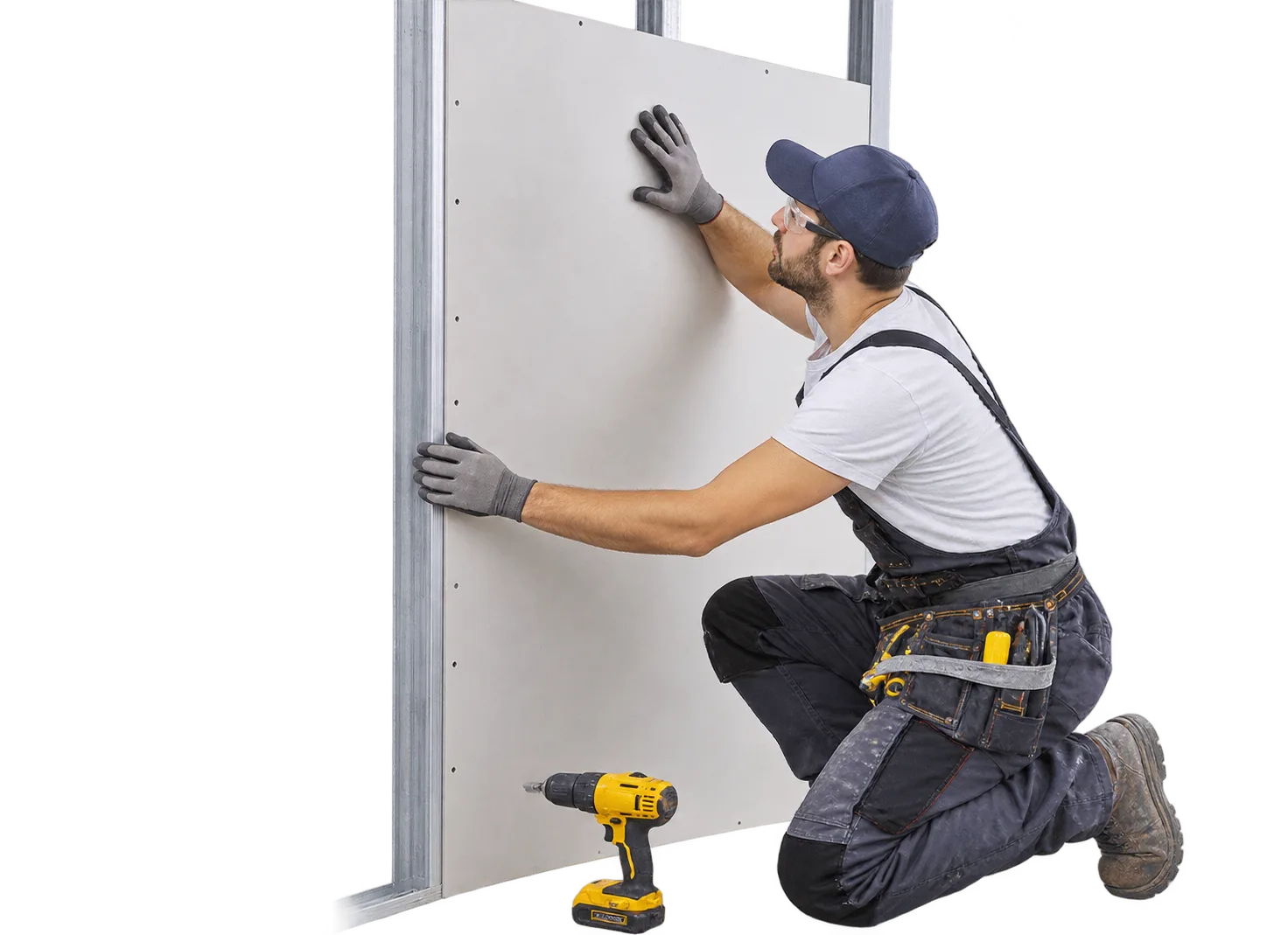
- Wet drywall that has sagged, crumbled or stayed damp for more than a day or two generally needs to be cut out, not dried in place.
- Mold covering a large area, commonly cited as more than about 10 square feet, calls for professional remediation before rebuilding.
- If the repair requires moving, replacing or rerouting pipes or wiring, that plumbing or electrical work typically carries its own permit requirement.
- Sewage-related water or long-standing contamination is a health issue and should be dealt with before any drywall is replaced.
- Insulation behind the wall often has to be inspected and replaced along with the board.
- Photos taken before the cut-out help with insurance documentation.
Pros
- Fixing the damage early keeps mold and framing rot from spreading.
- Written scope notes and photos make insurance claims easier to document.
- Many drywall-only replacements stay within the no-permit category.
Cons
- Hidden damage often turns a "small stain" into a bigger opening once the board comes off.
- Drying time and moisture testing can stretch the schedule well beyond a typical patch.
Best For
Vallejo homeowners with ceiling stains, bubbling or soft walls, or recent leaks who need to know whether the repair stays cosmetic or becomes a permitted job.
#3 Popcorn Ceiling Removal and Texture Repair: Usually No Permit, but Test First
Permit answer: typically not required for the drywall work itself. The bigger issue is what's in the ceiling texture, not the paperwork.
Textured ceilings were common in homes built through the 1980s, and Vallejo has plenty of homes from that era. Some older texture coatings contained asbestos. Scraping an untested ceiling can release fibers into the home.
Key Points
- If the home predates the 1990s, have a sample of the texture tested by a qualified lab before scraping.
- Asbestos-containing material may have special handling and disposal rules, which can change who is allowed to do the work.
- Scraping without testing can also spread lead dust if older paint is layered underneath.
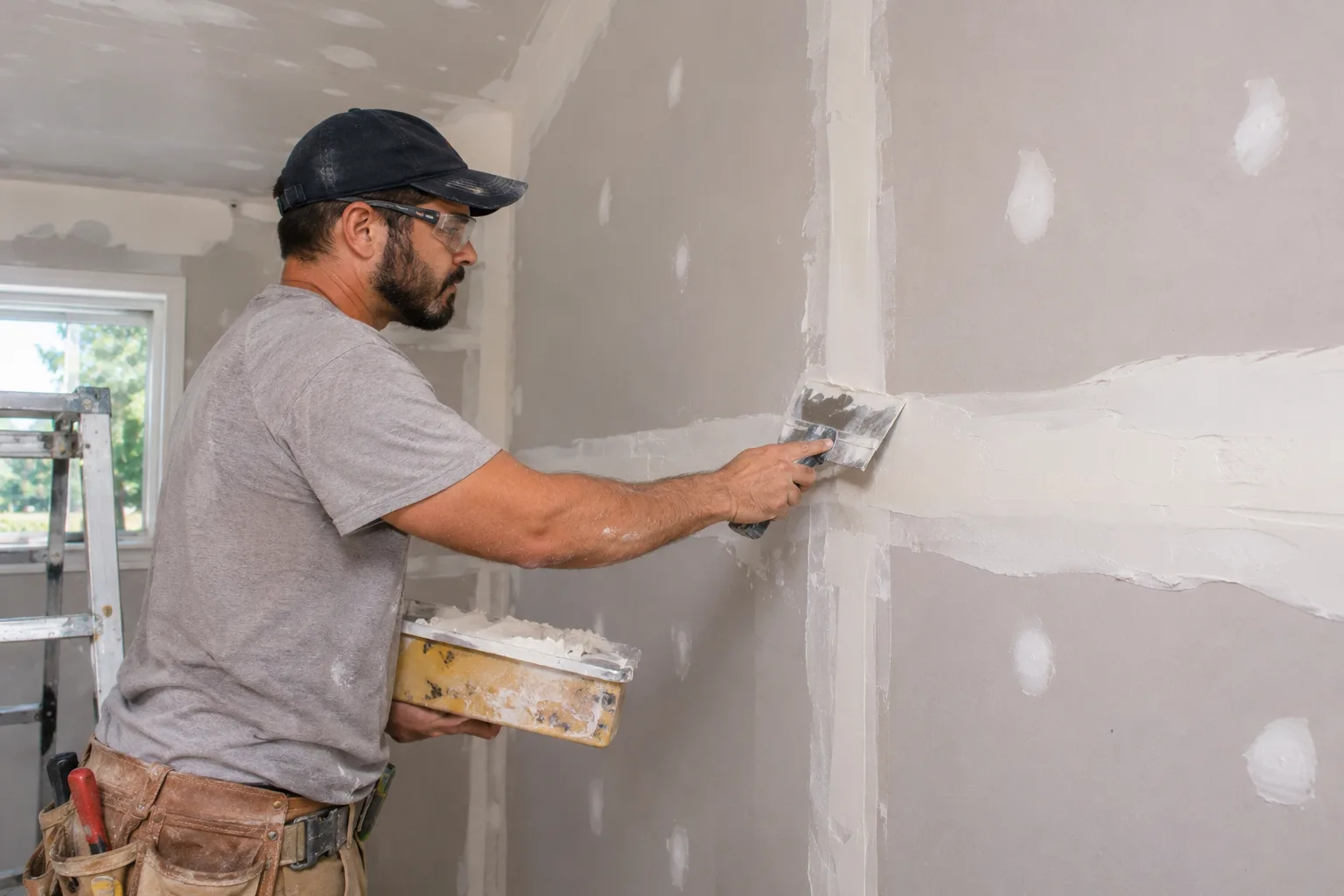
- Scraped ceilings often need skim coating to even out the surface before painting.
- Textured wall repair, such as knockdown or orange peel patches, is cosmetic and not normally permitted work.
- Plastic sheeting and floor protection keep dust out of the rest of the home.
Pros
- Smooth ceilings update the look of a room and make future repairs easier to blend.
- Testing gives a clear yes or no before anyone starts scraping.
- Skim coating hides old cracks and uneven spots.
Cons
- Lab testing adds a few days to the front of the schedule.
- The job is messy, and full containment takes extra prep time.
Best For
Owners of Vallejo homes built before the 1990s who want to remove popcorn texture or repair textured walls and ceilings and need to know what to check first.
#4 Replacing Drywall During a Remodel or New Construction: Often Covered by a Permit
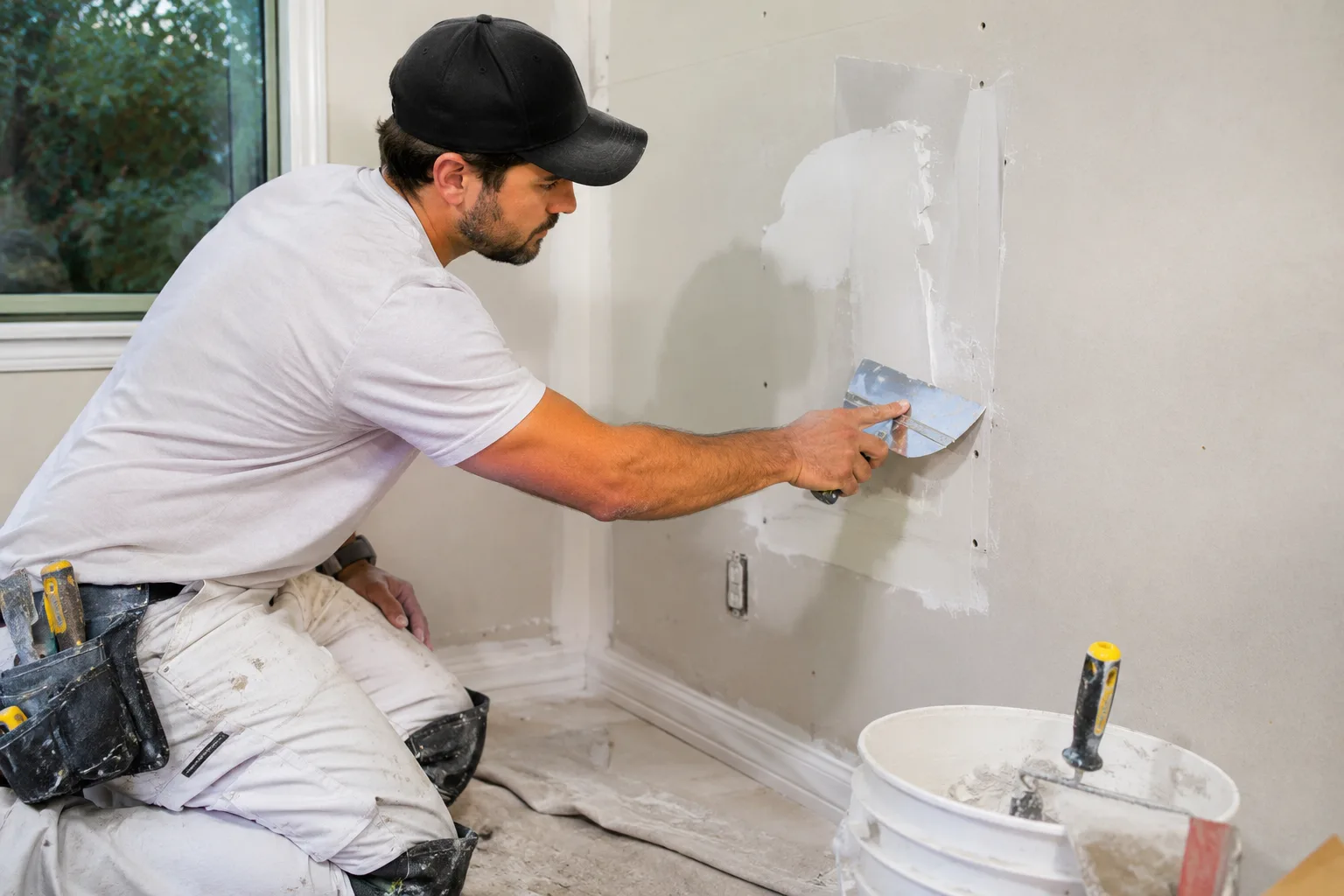
Permit answer: usually yes, as part of the larger project. Hanging new drywall in a room addition, new wall, finished basement or full gut renovation is normally covered by the permit for that overall job.
In these cases the drywall isn't the reason for the permit. It's the last stage of work that needs inspection, and drywall can't go up until framing, wiring and plumbing have been inspected and approved.
Key Points
- Rough framing, electrical and plumbing inspections generally happen before drywall goes up.
- Some inspectors also check drywall nailing or screwing patterns, especially on braced shear walls.
- Adding a new wall or removing an existing one is the kind of change that typically requires a permit.
- Moisture-resistant board is commonly specified in bathrooms and laundry rooms.
- An owner-builder can pull a permit for their own home but takes on responsibility for the work and the inspections.
- Hiring a contractor does not remove the need for permits. It usually shifts the paperwork to the contractor.
Pros
- Inspections catch problems while the walls are still open.
- A closed permit leaves a clean record for future sales.
- Drywall work slots into the inspection sequence, so there is no separate approval step for it.
Cons
- Waiting on inspections can pause the schedule between trades.
- Permit review can add lead time before work begins.
Best For
Vallejo homeowners planning additions, garage conversions, finished spaces or full remodels who want to know how drywall fits into a permitted schedule.
#5 Fire-Rated Walls and Ceilings (Garages, Shared Walls, Accessory Units): Most Likely to Need a Permit
Permit answer: often yes, or at least an inspection. Any repair that touches a fire-rated assembly has to restore that rating, and changing the assembly usually involves the building division.
Under the California Residential Code, the wall between an attached garage and the house requires at least 1/2-inch gypsum board on the garage side. If there is a habitable room above the garage, the ceiling typically calls for 5/8-inch Type X board. Shared walls between units in duplexes and townhomes can require a one-hour rating.
Key Points
- A hole punched through a garage wall is a fire-protection issue, not just a cosmetic one.
- Repairs must use the correct board thickness and type, and seams and penetrations must be properly sealed.
- Converting a garage to living space, or adding an accessory dwelling unit, requires permits and changes the fire separation requirements.
- Recessed lights, vents and electrical boxes cut into rated ceilings can compromise the rating if they aren't detailed correctly.
- Small patches in a rated wall may not need a permit, but the repair still has to meet the rating.
- When in doubt, ask the city before closing the wall.
Pros
- Correct fire-rated repairs protect occupants and buy extra time in an emergency.
- Documentation helps with insurance and resale.
- Once you know which assembly you have, the material requirements are specific and easy to follow.
Cons
- Material and detailing requirements make these repairs more involved than standard patching.
- Finding out whether a wall is rated sometimes takes a call to the city or a look at the original plans.
Best For
Owners of Vallejo homes with attached garages, duplexes, townhomes or planned accessory units who need to repair or modify walls and ceilings that separate living space from fire risk.
Drywall Repair Permit Comparison Table
| Scenario | Permit Usually Needed? | Inspection Likely? | Main Concern |
|---|---|---|---|
| Minor holes, cracks, nail pops | No | No | Matching texture and paint |
| Water damage repair | Depends on scope | Only if plumbing, electrical or framing is involved | Fixing the source and checking for mold |
| Popcorn ceiling removal / texture repair | Usually no | No | Asbestos and lead testing |
| Remodel or new construction drywall | Yes, under the project permit | Yes | Inspection sequence |
| Fire-rated walls and ceilings | Often | Often | Restoring the rating |
California Contractor Licensing: A Separate Rule from Permits
A permit and a contractor license are two different requirements. In California, a contractor license is required for projects where the total of labor and materials is $1,000 or more. Because that threshold has changed over the years, confirm the current figure with the Contractors State License Board.
Before hiring anyone for a drywall job in Vallejo, check these:
- License status. Look the contractor up on the state board's website.
- Insurance. Ask for proof of liability coverage and workers' compensation.
- Written scope. The estimate should describe the repair, materials and cleanup.
- Permit responsibility. Ask who pulls any required permit.